
Reverse Outline for Essay Revision: Diagnose Your Draft Paragraph by Paragraph
Reverse Outline for Essay Revision: Diagnose Your Draft Paragraph by Paragraph
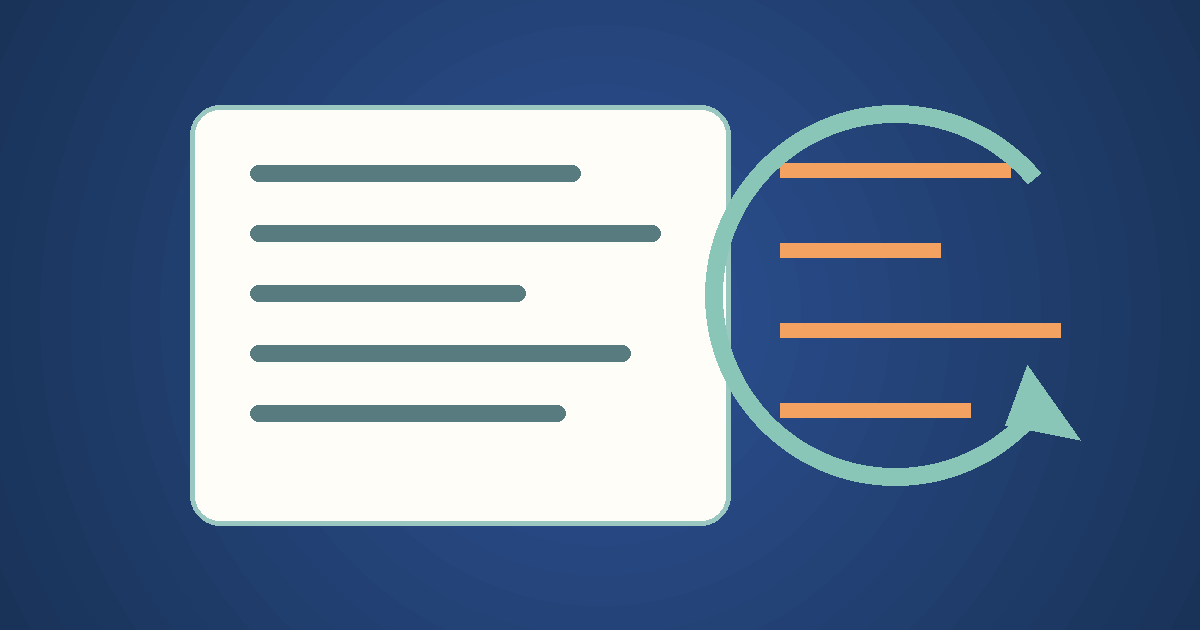
A reverse outline is made after the draft exists. Instead of planning what you hope to say, you record what each paragraph actually does. That small shift makes structural problems visible.
Map the draft you have
On a separate page, write one short sentence for every paragraph: its main claim, its evidence, and its job in the argument. Do not improve the prose yet. Honest labels are more useful than polished ones.
Read the map for movement
Put the sentences in order and ask whether each one advances the thesis. Repeated labels reveal duplication. A sudden new idea may need a bridge, a different location, or its own section.
Repair before polishing
Move, cut, combine, or expand paragraphs before correcting individual phrases. When a paragraph has evidence but no explanation, add the reasoning that tells the reader why that evidence matters. The Academic Proofreader is useful for checking whether revised transitions accurately express those relationships.
Return to voice last
Once the argument has a clear path, read the draft aloud and revise stiff sentences. Use the Tone Refiner to test alternatives while keeping your own position and examples in control.
Keep the reverse outline
Save the map with your draft. It becomes a quick record of how your argument changed and a practical guide when feedback asks for clearer organization.